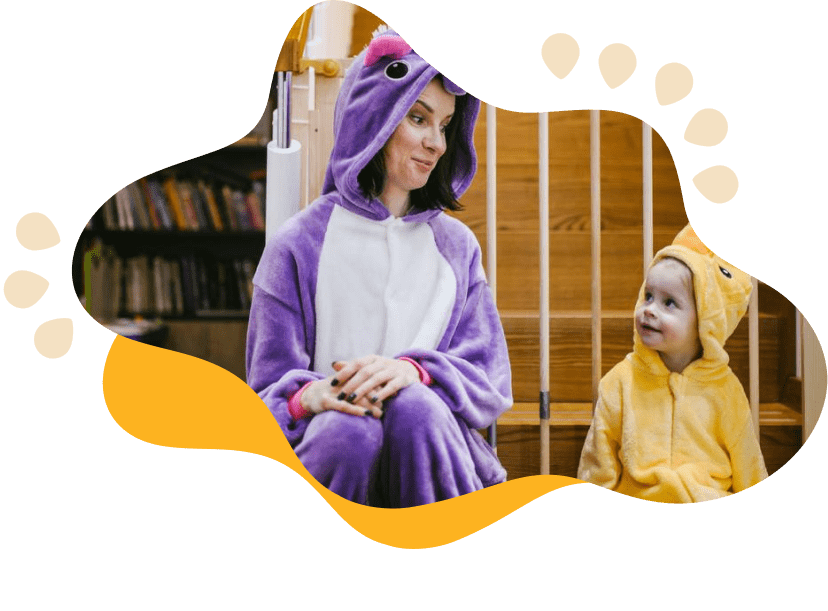
The concept of physical safety is well-known to everyone, but let’s explore what psychological safety of a child is really about.
First and foremost, a child’s psychological safety is determined by the psychoemotional climate in the family where the child is growing up. The sense of safety provides a child with the foundation for imagination, dreams, development, new achievements, communication both with peers and adults, and effective adaptation to new circumstances. In other words, a child’s psychological safety is a bridge between their inner world, self-perception, and their interaction with the external environment (parents, significant adults, peers).
Recommendations for parents and nannies on shaping a child’s psychological safety:
Create a safe and supportive environment. Both parents and significant adults (nannies) should provide words of support to the child. Phrases like “Daddy and I love you,” “We are proud of your achievements every day,” and “We will always support you, if you find something difficult or confusing” are important. It’s also helpful to share the child’s interests and organize creative activities.
Teach self-defense and self-respect skills, and establish open and trusting communication. These aspects work well through the child’s creative self-expression, which the nanny can easily incorporate into play and communication with the child. For example:
create a story (fairytale), where observing strong, brave characters can help the child understand what is good and bad, how to show courage, strength, confidence, and how to defend their boundaries. (I would recommend creating your own stories).
make a series of drawings with the child, such as “I am strong,” “I am confident,” “My best day,” and “My support.” Then, discuss the drawings. This provides insights into what fills the child emotionally and allows them to feel safe, both within the family and in other environments.
Maintain a positive psychoemotional climate in the family. Parents need to consistently express love, warmth, and support to the child. This fulfills the child’s need for safety, forming the basis for the child’s healthy development. This way, the child feels that the family is a safe environment where they are comfortable and trusted. Trusting relationships are built with parents and the nanny, and the child feels confident, recognizing the nanny as a reliable presence.
Develop emotional self-regulation. Allow the child to express their emotions: joy, excitement, curiosity, and help them process sadness, disappointment, anger, and aggression.
create an emotion album with the child in which they document their emotional experiences, for example, “drawing a joyful event that happened to me today,”, “drawing a delicious breakfast,” “the greatest walk with the nanny,” and so on.
if the child feels anger or aggression, use modeling clay to give those emotions a shape or form with which the child finds it difficult to cope. Simply be there for them during these challenging moments.
In conclusion, the process of forming a child’s psychological safety is based on the genuine love of parents for their children, mutual trust, and professional competence of the nanny. Use these recommendations in your interaction with the child, and you will definitely see the results: emotional resilience, openness to new experiences, a desire to play and explore the world, and more. These are the qualities that children who are discovering themselves and the world want. It will help form the foundation for a child’s psychological safety.
«Залиште заявку»
Order Express
Nanny
Заказать Express
няню
Замовити Express
няню
Усі дані захищені та використовуються лише для контакту з Вами
Freedom for mom!
All data is protected and is used only to contact you
All data is protected and is used only to contact you
Все данные защищены и используются только для контакта с Вами
Свободу маме!
Все данные защищены и используются только для контакта с Вами
Свободу маме!
Усі дані захищені та використовуються лише для контакту з Вами
Example
Свободу мамі!
Усі дані захищені та використовуються лише для контакту з Вами
Усі дані захищені та використовуються лише для контакту з Вами
Усі дані захищені та використовуються лише для контакту з Вами